
ABB DCS Control Modules: Complete Guide to I/O, Communication and Controller Modules
ABB DCS Control Modules are important components in industrial process automation systems, providing control, communication, signal processing and field I/O functions. From power generation and chemical processing to oil and gas, pulp and paper, and other continuous-process industries, reliable control hardware is essential for maintaining stable plant operation.
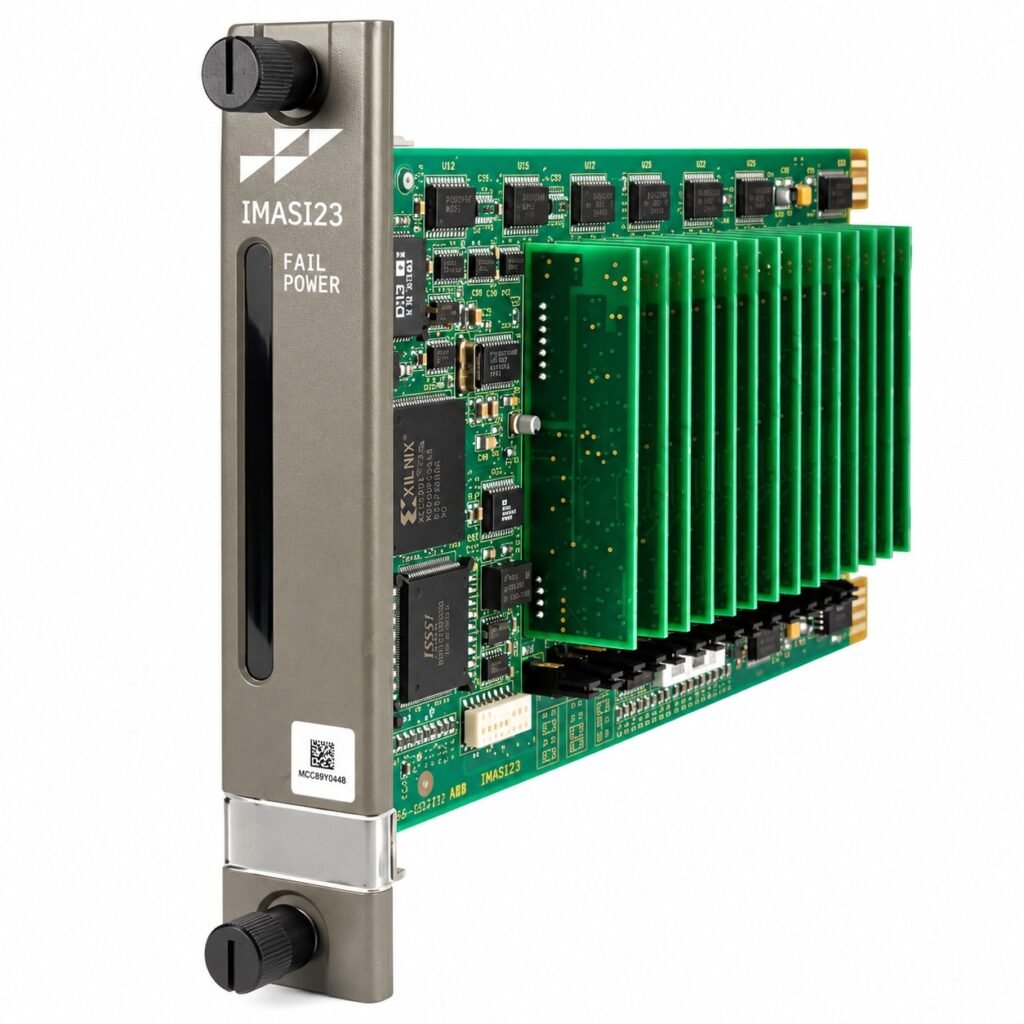
ABB has developed a broad range of distributed control system technologies over many years. Depending on the installed system and generation, users may encounter controller modules, analog and digital I/O modules, communication interfaces, power-related components and other system hardware.
For maintenance teams working with an installed ABB control system, understanding the function of each module is particularly important when planning maintenance, replacing components or sourcing spare parts.
What Is an ABB DCS?
A Distributed Control System, or DCS, is an industrial automation system used to monitor, control and coordinate production processes.
Unlike a single standalone controller, a DCS typically distributes control functions across multiple controllers, I/O devices, communication networks and operator stations.
ABB describes DCS technology as being used in continuous and batch processes across industries such as power generation, chemical manufacturing, water treatment and other process applications. ABB Group
A typical system may include several hardware layers:
- Controllers and processors
- Analog and digital I/O modules
- Communication modules
- Network interfaces
- Power supply components
- Operator and engineering stations
- Field instrumentation interfaces
Together, these components allow signals from field devices to be collected, processed and used for process control.
Main Types of ABB DCS Control Modules
When sourcing ABB DCS Control Modules, it is useful to divide the hardware into several functional groups.
1. Controller and Processor Modules
Controller modules execute control strategies and process logic within the automation system.
Depending on the installed ABB platform, a controller may communicate with I/O subsystems, operator stations and other network devices.
Examples encountered in installed ABB systems can include BRC-series hardware and related controller components.
Typical spare-part references include:
- BRC300
- BRC400
- BRC410
- SPBRC300
- SPBRC400
- P-HC-BRC30000000
- PHCBRCPBA20000
When replacing a controller, engineers should verify the complete part number rather than relying only on a shortened model designation.
2. ABB I/O Modules
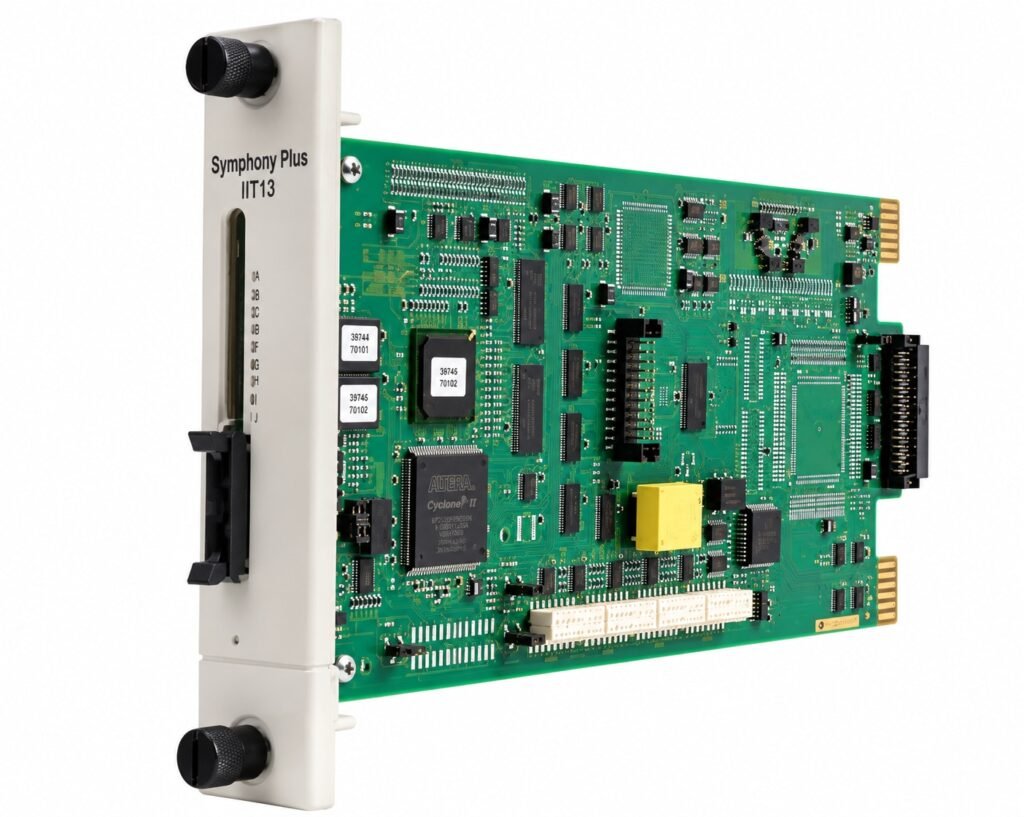
I/O modules create the interface between the control system and field instrumentation.
They receive signals from devices such as transmitters and switches and can send control signals to actuators and other equipment.
Common module functions include:
Analog Input (AI): receives continuously varying process measurements such as pressure, temperature, flow or level.
Analog Output (AO): provides analog control signals to compatible field equipment.
Digital Input (DI): monitors discrete ON/OFF states.
Digital Output (DO): provides discrete output commands to compatible devices.
Examples of ABB-related I/O module references commonly encountered in installed systems include:
- IMASI23 / SPASI23
- IMASO11
- IMDSI13
- IMDSI14
- IMDSO14
- IMDSM04 / SPDSM04
- IMFCS01 / SPFCS01
- IMHSS03 / SPHSS03
- IMSED01 / SPSED01
- IMSET01 / SPSET01
- IMQRS22 / SPQRS22
The exact compatibility of an I/O module depends on the control-system architecture, hardware revision and application configuration.
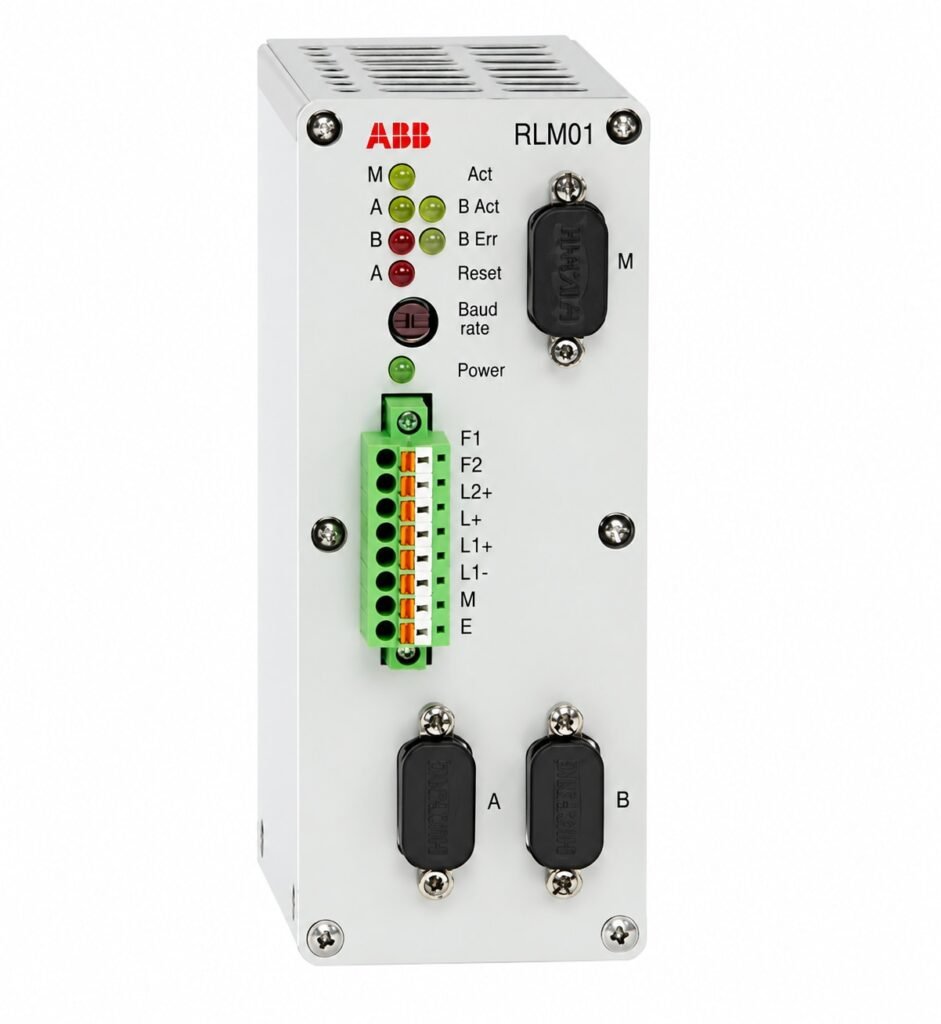
3. ABB Communication Modules
Communication hardware allows controllers, I/O systems, engineering stations and other automation equipment to exchange information.
In legacy and installed ABB architectures, different communication technologies may be used depending on the system generation.
Examples of communication-related module references include:
- INICT13A / SPICT13A
- INICI03 / SPICI03-SCIL
- INIIL02-L / SPIIL02-L
- INIIT13
- SPIET800
- INNIS21
- INNPM22
- INTKM01 / SPTKM11
Communication modules deserve particular attention during spare-parts selection because similar-looking hardware may perform different network functions.
4. Power Supply and System Hardware
Reliable power is essential for control-system availability.
ABB installations can contain dedicated power modules, mounting units and supporting cabinet hardware. Examples include:
- IEPAS22
- CPS01-B
- IEMMU11
- IEMMU12
- IEMMU21
- IEMMU22
When replacing power-related hardware, users should verify electrical ratings, system compatibility and the complete ABB part number before installation.
How to Select the Correct ABB DCS Module
Selecting a replacement module should begin with the existing hardware rather than with appearance alone.
Check the complete part number printed on the original unit. Small differences in suffixes or revisions may identify different configurations.
Next, confirm the control-system family and determine the function of the existing module. A communication interface should not be selected simply because another module has a similar enclosure or connector arrangement.
It is also useful to record:
- Full manufacturer part number
- Existing module designation
- Hardware revision
- System or controller family
- Required I/O type
- Communication interface
- Existing cabinet configuration
- Application requirements
For uncertain replacements, documentation and system compatibility should be checked before installation.
ABB DCS Applications
ABB control systems are used across process-intensive industries. ABB identifies applications including power generation, chemicals, water and wastewater, mining and other continuous or batch operations. ABB Group
Typical industrial environments include power plants, chemical facilities, pulp and paper mills, water-treatment facilities, oil and gas operations and other process plants.
In these environments, availability of compatible spare hardware can become particularly important for systems that have been operating for many years.
Maintaining Existing ABB Automation Systems
Industrial control systems often remain in service for long periods, so maintenance planning involves more than replacing a failed component.
ABB itself emphasizes modernization approaches that allow existing DCS installations to evolve while protecting previous automation investments. Its current control-system portfolio includes System 800xA, Symphony Plus and Freelance. ABB Group
For maintenance teams, a practical spare-parts strategy can include identifying critical modules, recording installed part numbers, maintaining documentation and evaluating replacement availability before a failure occurs.
This is especially relevant for older installed hardware where individual modules may become harder to source.
Why Product Authenticity Matters
Industrial automation modules operate in systems where reliability is important. Therefore, buyers should pay attention to product condition, model identification and traceability when sourcing replacement components.
Wuhan Yuli Automation Technology Co., Ltd. supplies industrial automation products including ABB control modules and related automation components. Our product policy is to supply brand-new and original products with at least a one-year warranty. wuhanyuli.com
Customers can provide the complete model or part number when requesting availability or compatibility information.
Frequently Asked Questions
What are ABB DCS Control Modules?
ABB DCS control modules are hardware components used within distributed control and process automation systems. Depending on the module, their functions can include process control, I/O signal handling, communication and system interfacing.
What is the difference between a controller and an I/O module?
A controller executes control logic, while an I/O module provides an interface for input and output signals associated with field equipment.
How do I identify the correct ABB replacement module?
Start with the complete part number on the existing module. Also check the system family, hardware revision, module function and relevant technical documentation before selecting a replacement.
Can older ABB DCS modules still be replaced?
Replacement options depend on the specific model and installed system. Some plants continue to operate legacy ABB hardware, while modernization strategies may also be available for certain systems.
What information should I provide when requesting a quotation?
Providing the full model or part number, required quantity and any available hardware revision information makes product identification easier.
Conclusion
ABB DCS Control Modules cover a broad range of controllers, I/O modules, communication interfaces and supporting hardware used throughout industrial process automation systems.
For maintenance and replacement projects, accurate part-number identification and compatibility verification are more important than selecting a component based only on appearance or a shortened model name.
Wuhan Yuli Automation Technology Co., Ltd. supplies ABB automation components for customers requiring replacement and spare hardware. Contact us with your ABB model or part number to request product information and a quotation.