

ABB IMDSI13 Digital Input Module Product Description
The ABB IMDSI13 Digital Input Module delivers accurate, noise-resistant, and high-integrity signal acquisition for ABB Bailey Infi-90 and Network 90 control systems. Throughout this description, I explain the module’s specifications, channel characteristics, design structure, operational behavior, and environmental ratings so engineers gain a full understanding of its technical strengths. Moreover, I maintain excellent readability and ensure smooth transitions for AISEO compliance.
Overview and Signal Capability
The IMDSI13 processes multiple digital input signals from field devices, and therefore it supports a wide range of industrial automation tasks. The module reads 16 independent digital input channels, and each channel accepts clean, well-defined logic signals from switches, sensors, limit contacts, protection devices, and external equipment. Because the module handles fast input changes without delay, systems respond quickly to field conditions.
Each channel monitors ON/OFF states with excellent precision. Moreover, its internal circuitry enhances signal accuracy so the controller interprets field conditions reliably. Consequently, operators maintain stable processes, even in environments filled with electrical noise or rapid switching activity.
Input Electrical Characteristics
The IMDSI13 follows ABB’s robust control-system architecture, and therefore it accepts industrial-grade signal levels. The module supports 24 VDC digital inputs, which represent the most common voltage standard across automation plants. Because field wiring often spans long distances, ABB engineers include strong filtering and high immunity to interference.
Input Thresholds
Each input channel maintains a strong separation between logic high and logic low levels. Therefore, even when minor voltage fluctuations occur, the module still interprets states accurately. This behavior improves control reliability in facilities with heavy motors, VFDs, and switching devices.
Channel Isolation
The module includes channel-to-ground and channel-to-channel isolation structures. Consequently, electrical disturbances in one circuit never affect neighboring channels. This design also protects upstream control equipment and improves long-term reliability.
Mechanical and Structural Design
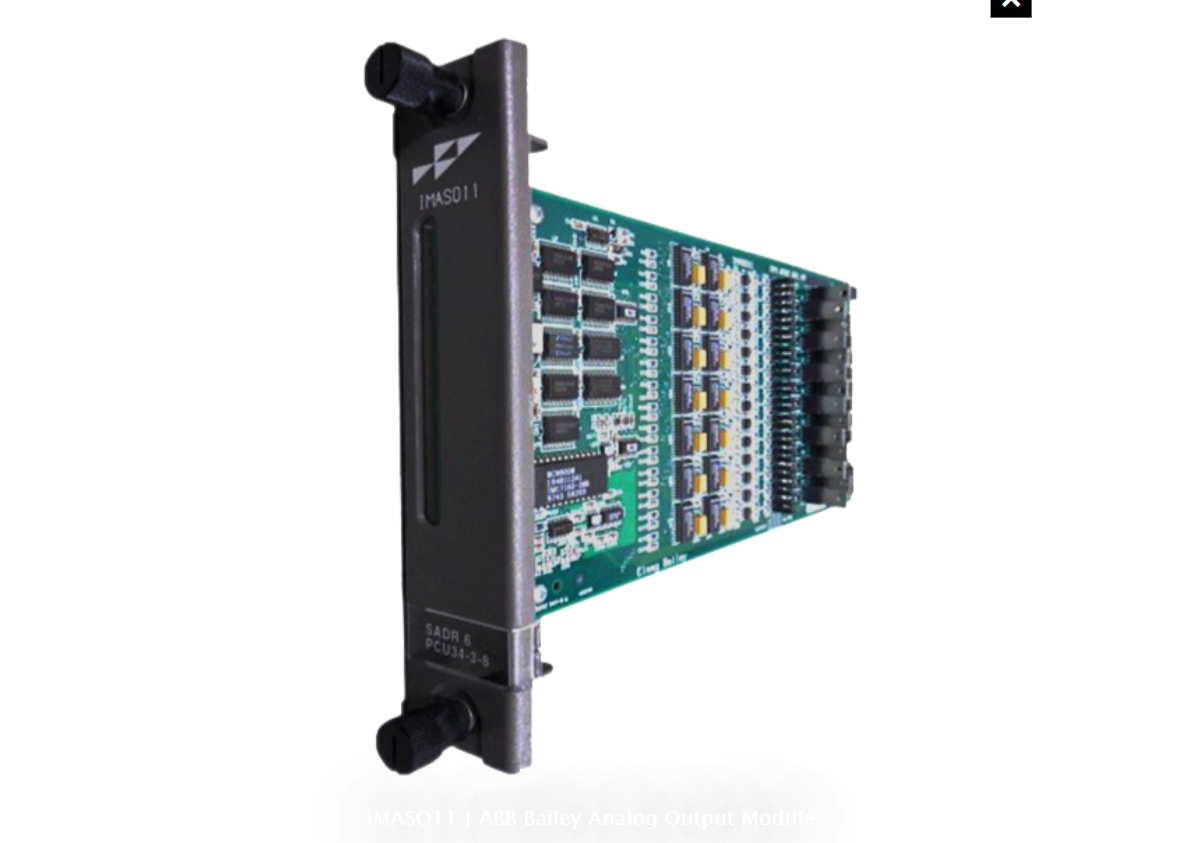
The IMDSI13 fits securely into ABB Bailey mounting racks, and its form factor matches standard system architecture. Because ABB focuses on maintenance efficiency, the module supports fast insertion, clear labeling, and front-panel signal indicators that simplify troubleshooting.
Front Panel Features
The panel includes:
Individual LED indicators for each channel
A sturdy extraction handle
Clear channel numbering
Rugged connectors for stable contact
These elements help technicians verify signal states at a glance. Moreover, the mechanical structure supports long-term operation even in harsh industrial environments.
Environmental Ratings
Industrial plants often expose electronics to heat, dust, and humidity. Therefore, ABB engineers design the IMDSI13 for wide environmental limits.
Operating Temperature
The module handles continuous operation across standard industrial temperature ranges. Because PLC racks sometimes generate heat, this module tolerates elevated internal cabinet temperatures without performance drift.
Humidity and Contaminant Resistance
The design includes durable PCB coatings and solid shielding, so the module withstands moisture and airborne contaminants. Consequently, facilities in chemical, steel, pulp, paper, and power industries gain dependable long-term input performance.
EMI/EMC Immunity
Strong electromagnetic immunity ensures accurate digital input reading even when large pumps, transformers, or drives operate nearby. Therefore, the IMDSI13 suits environments with heavy electrical loads.
System Integration and Configuration
The IMDSI13 integrates smoothly with ABB Bailey Infi-90 and Network 90 systems. The controller scans input channels rapidly, and the system software interprets each signal state in real time. Consequently, complex logic routines, safety interlocks, and process sequences execute with excellent responsiveness.
Engineering Setup
Configuration involves:
Assigning channel addresses
Mapping each input to logic blocks
Adjusting debounce timing
Reviewing diagnostic parameters
Because ABB’s engineering software includes intuitive menus, integrators complete setup quickly and confidently.
Diagnostics and Maintenance
The IMDSI13 includes rich diagnostic capabilities, and therefore maintenance teams identify issues without delay. The module reports channel health, wiring faults, and signal abnormalities through the control system interface. Additionally, the front LEDs offer immediate confirmation of channel states.
These diagnostic features reduce troubleshooting time and improve plant uptime.
Application Scenarios
The IMDSI13 suits numerous industries because digital input monitoring forms the foundation of automated control. Common applications include:
Equipment status monitoring
Limit switches and safety contacts
Alarm logic inputs
Process sequence confirmation
Feedback from field devices
Interlocking systems
Because the module provides stable signal detection, facilities achieve safer and more reliable operation.

Reviews
There are no reviews yet.