
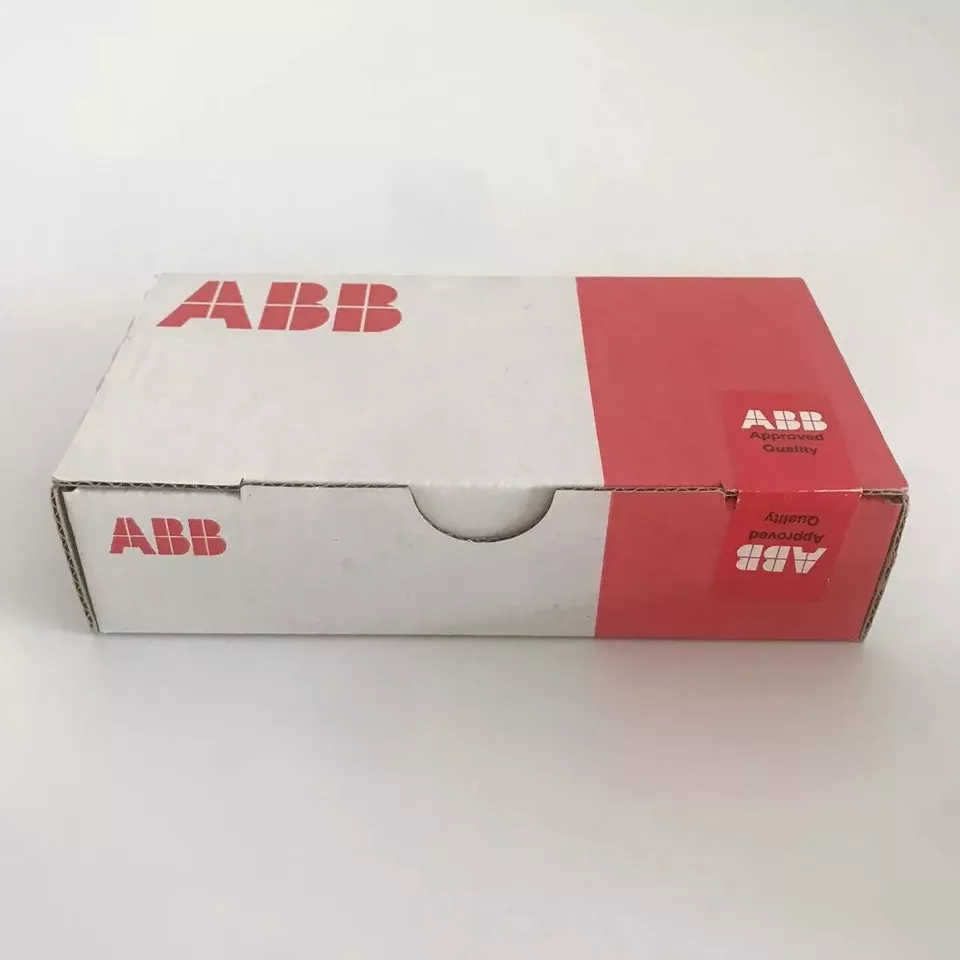

ABB DIPSHUNT Jumpers
16-Pin and 20-Pin Configuration Jumpers for Industrial Control Systems
1. Introduction to Jumpers in Industrial Automation
In industrial automation systems, not all critical components are active electronic modules. Configuration accessories, such as jumpers, play an essential role in defining system behavior, signal routing, and hardware configuration.
ABB DIPSHUNT jumpers, available in 16-pin and 20-pin versions, are designed for reliable signal bridging and configuration tasks within industrial control and automation systems. These jumpers are widely used in PLC systems, control cabinets, and electronic assemblies where stable and repeatable configuration is required.
2. Overview of ABB DIPSHUNT Jumpers
The ABB DIPSHUNT jumper is a multi-pin industrial jumper component designed to connect or bridge specific signal paths on control boards, I/O modules, or terminal interfaces.
By using standardized pin configurations, DIPSHUNT jumpers allow engineers to:
Define operating modes
Enable or disable functions
Configure signal routing
Adapt hardware behavior to application requirements
The availability of 16-pin and 20-pin versions provides flexibility for different control architectures and hardware layouts.
3. Engineering Purpose of 16-Pin and 20-Pin DIPSHUNT Jumpers
The difference between 16-pin and 20-pin DIPSHUNT jumpers lies in system configuration requirements, not performance hierarchy.
16-pin DIPSHUNT jumpers are typically used in compact control modules or simpler configuration schemes.
20-pin DIPSHUNT jumpers support more complex configuration needs, allowing additional signal paths or functional options.
Both versions are designed to deliver consistent electrical contact and mechanical stability.
4. Design Philosophy and Build Quality
ABB designs DIPSHUNT jumpers with the same quality standards applied to its automation hardware. Although small in size, these components must perform reliably over long periods of continuous operation.
Key design considerations include:
Secure pin contact
Stable electrical conductivity
Mechanical robustness
Resistance to vibration and aging
This ensures that configuration settings remain stable throughout the system lifecycle.
5. Electrical Reliability and Signal Integrity
In control systems, unreliable jumper contacts can cause intermittent faults that are difficult to diagnose. ABB DIPSHUNT jumpers are engineered to maintain consistent electrical contact under industrial conditions.
Electrical reliability benefits include:
Low contact resistance
Stable signal bridging
Reduced risk of intermittent connections
These characteristics help prevent configuration-related errors and improve overall system stability.
6. Mechanical Stability in Industrial Environments
Control cabinets and industrial equipment are often exposed to vibration, temperature changes, and long operating hours. DIPSHUNT jumpers must remain firmly seated without loosening or degrading.
ABB DIPSHUNT jumpers are designed to:
Maintain mechanical integrity under vibration
Resist deformation during installation and removal
Support repeated maintenance operations
This mechanical stability is essential for long-term reliability.
7. Compatibility with ABB Control and Automation Systems
ABB DIPSHUNT jumpers are designed for seamless integration with ABB control platforms and electronic assemblies. They are commonly used in:
ABB PLC systems
ABB I/O modules
ABB control boards
ABB automation panels
Using original ABB configuration accessories helps ensure predictable behavior and avoids compatibility issues caused by generic components.
8. Installation and Handling Considerations
Proper installation is important to ensure reliable operation of DIPSHUNT jumpers. Engineers and technicians should observe standard handling practices:
Align pins correctly before insertion
Avoid excessive force during installation
Ensure full seating on the connector
Verify configuration settings after installation
Correct handling reduces the risk of bent pins or poor contact.
9. Typical Applications in Industrial Control Systems
ABB DIPSHUNT jumpers are widely used in various industrial automation applications, including:
PLC configuration and setup
Control module functional selection
Signal routing on control boards
System commissioning and testing
They are essential components in both initial system setup and ongoing maintenance activities.
10. Maintenance and Troubleshooting Benefits
Configuration-related issues are often overlooked during troubleshooting. High-quality jumpers like ABB DIPSHUNT help reduce:
Intermittent control faults
Unexplained signal loss
Configuration drift over time
When maintenance is required, standardized jumpers make replacement and verification straightforward.
11. Lifecycle and Replacement Considerations
Although jumpers are small components, using correct replacements is critical. The ABB DIPSHUNT 16-pin and 20-pin jumpers are suitable for:
New system installations
System upgrades
Maintenance replacements
Using original or approved ABB components ensures that configuration behavior remains consistent with original system design.
12. Advantages of ABB DIPSHUNT Jumpers
Key advantages include:
Proven ABB industrial quality
Available in 16-pin and 20-pin versions
Stable electrical and mechanical performance
Seamless compatibility with ABB systems
Long service life in industrial environments
These benefits make DIPSHUNT jumpers a dependable choice for professional automation systems.
13. Conclusion
The ABB DIPSHUNT 16-pin and 20-pin jumpers are essential configuration components for industrial control and automation systems. Their reliable electrical contact, mechanical stability, and compatibility with ABB platforms ensure consistent system behavior over the full lifecycle.
In industrial environments where configuration accuracy and long-term reliability are critical, ABB DIPSHUNT jumpers provide a simple yet dependable solution for control system configuration.
Reviews
There are no reviews yet.