
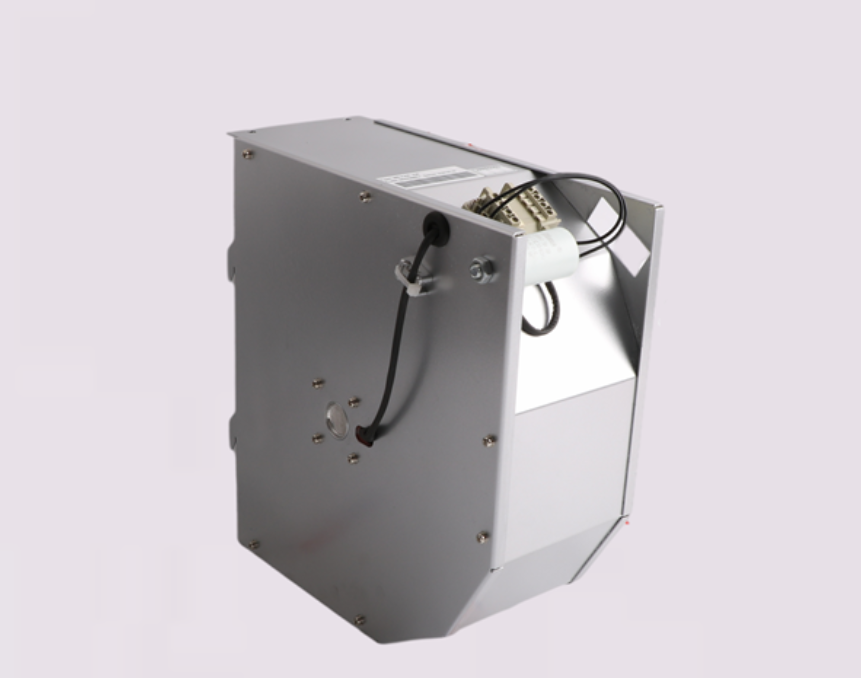

The ABB 3VCN-3030 cabinet inner door fan strengthens thermal management inside industrial control cabinets, and it also supports long-term equipment reliability through stable and continuous airflow. As modern automation systems generate more concentrated heat, users rely on efficient cooling components, and the 3VCN-3030 aligns with these demands. Moreover, it integrates seamlessly with ABB cabinet systems, and therefore engineers prefer it in mission-critical environments.
1. Design Purpose and Cooling Philosophy
The 3VCN-3030 creates directional airflow from the cooler exterior to the warmer interior, and it continuously circulates the air so temperature gradients decrease. Since uneven heat distribution often triggers component stress, the fan ensures air moves uniformly across modules, wiring units, and high-density control electronics. Furthermore, the design focuses on stability, and it supports predictable cooling performance even under fluctuating cabinet loads.
2. Mechanical Construction and Dimensions
The fan features a compact structure, and it fits easily on most ABB cabinet inner doors. The frame uses durable industrial-grade materials that resist vibration, and they also extend the equipment’s operational life.
Typical mechanical parameters include:
Overall size: 120 mm × 120 mm × 38 mm
Mounting style: Inner-door screw mounting
Material: High-impact ABS frame with metal-reinforced motor housing
Weight: Approximately 0.45 kg
The geometry optimizes pressure generation, and it increases directed airflow without raising noise levels.
3. Electrical Characteristics
The ABB 3VCN-3030 operates reliably with standard industrial power sources, and it draws energy efficiently even in continuous-operation applications. Its motor uses precision bearings, and they improve rotational stability while minimizing unnecessary heat.
Electrical specifications include:
Rated voltage: 230 V AC (typical)
Frequency: 50 / 60 Hz
Power consumption: 18–22 W
Insulation class: Class B
Current draw: Approximately 0.12 A
These parameters reflect a balanced approach, and they ensure cooling performance stays efficient while energy use remains controlled.
4. Airflow Performance and Cooling Metrics
Cooling capability defines the heart of the ABB 3VCN-3030 fan. Since industrial components depend on consistent temperature control, the fan produces strong airflow while maintaining structural stability.
Core airflow characteristics include:
Air volume: 110–125 m³/h
Static pressure: 25–30 Pa
Fan speed: 2500–2900 rpm
Noise level: Typically 35–40 dB
These values demonstrate that the fan moves air efficiently and quietly. In addition, the pressure rating ensures airflow remains stable even when filters or protective grills create resistance.
5. Thermal Management Compatibility
The 3VCN-3030 works smoothly with ABB cabinets such as control panels, PLC enclosures, and power distribution units. Since these systems often run continuously, users require fans that maintain predictable performance. Also, the fan cooperates well with supplementary cooling devices like cabinet filters and temperature controllers.
6. Protection Features and Environmental Ratings
Environmental resistance increases the fan’s reliability in demanding industrial settings. Therefore, ABB equips the 3VCN-3030 with sealing and protective features that extend operational stability.
Protection characteristics include:
Ingress protection: IP20 or higher (depending on configuration)
Operating temperature: –10°C to +60°C
Humidity tolerance: Up to 90% non-condensing
Vibration resistance: Suitable for cabinet-mounted industrial environments
Thus, the unit performs consistently across factories, processing plants, and automation centers.
7. Installation Benefits and Maintenance Efficiency
Because the fan attaches directly to the cabinet’s inner door, users gain a straightforward installation procedure. The mounting points align with standard ABB cabinet layouts, and the electrical connection uses a simple terminal or plug-in interface. Additionally, technicians can access the fan easily when they need to clean filters, replace units, or inspect airflow paths.
Furthermore, the design encourages preventive maintenance since airflow paths stay open. As a result, cabinets remain cooler, and internal components operate longer without thermal degradation.
8. Application Scenarios
The ABB 3VCN-3030 performs reliably in many environments, and it suits industries that require continuous and stable cooling. Common applications include:
Factory automation cabinets
Motion-control racks
Power system enclosures
PLC and DCS cabinet doors
Electronic instrument cases
Low-voltage control panels
Since heat directly affects system uptime, the fan adds a layer of operational security.
Reviews
There are no reviews yet.