
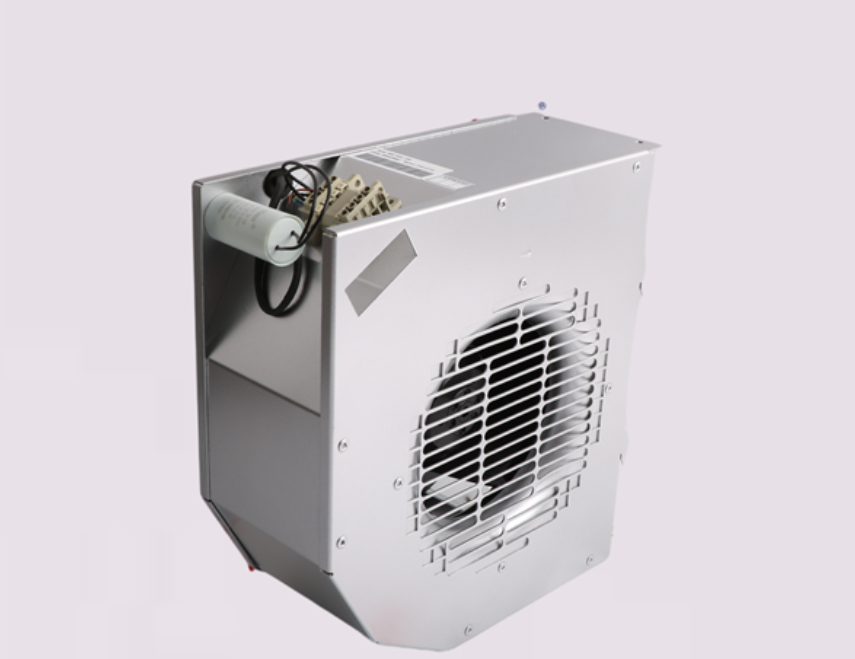

The ABB WSFAN230 68442966 cooling fan provides stable ventilation and high-efficiency airflow management for industrial automation systems. Moreover, many ABB control cabinets, power modules, drive systems, and high-density electronics rely on this fan to maintain safe operating temperatures and consistent system performance. Because modern industrial equipment processes more data, handles higher power levels, and operates in thermally challenging environments, the WSFAN230 improves system reliability by continuously regulating internal temperatures.
This comprehensive description explains the fan’s airflow architecture, performance characteristics, electrical specifications, mechanical features, environmental tolerances, installation benefits, and role within industrial cooling ecosystems. Through a deep engineering-level perspective, the article shows why many integrators select the WSFAN230 when they want long-duration stability and predictable cooling behavior.
1. Product Positioning and Application Scope
The WSFAN230 68442966 functions as a precision-engineered cooling fan that supports ABB electronic components across automation, power distribution, and industrial control platforms. Therefore, the fan improves thermal efficiency in:
ABB PLC cabinets
ABB Bailey modules
Drive systems and inverters
Power supply chassis
Communication units
High-density CPU racks
Signal conditioning modules
Modern plants often experience elevated ambient temperatures, airborne contaminants, and heavy electrical loads. Consequently, a reliable fan becomes essential for maintaining clean airflow and stable thermal operation. For this reason, the WSFAN230 integrates into many industrial systems as a core thermal management component.
2. Airflow Performance and Cooling Architecture
2.1 High-Volume Air Delivery
The ABB WSFAN230 generates strong and stable airflow, forming a continuous cooling stream that directs heat away from sensitive electronic circuits. Since thermal loading increases rapidly when processors, power modules, and analog circuits run simultaneously, the fan maintains consistent cooling even during peak operation.
Key airflow characteristics include:
Optimized air pressure curve that supports both open and restricted flow paths
Stable CFM output for predictable cooling performance
Low turbulence patterns that enhance heat extraction efficiency
Therefore, control cabinets maintain uniform internal temperatures, which reduces thermal stress on components.
2.2 Aerodynamic Blade Geometry
The WSFAN230 uses finely tuned aerodynamic blades. These blades shape airflow to increase output volume while reducing noise. Consequently, the fan operates smoothly, even when installed in compact enclosures.
2.3 Heat Dissipation Efficiency
The cooling system improves thermal transfer through:
Rapid removal of hot air around power electronics
Continuous intake of fresh air
Controlled flow direction toward critical components
Because heat accumulates quickly in high-density modules, the WSFAN230 ensures stable thermal performance throughout extended operating cycles.
3. Electrical Specifications and Power Characteristics
The ABB WSFAN230 68442966 uses a 230-volt AC input, which aligns with global industrial power standards.
Key Electrical Parameters
Input Voltage: 220–240 VAC
Frequency: 50/60 Hz
Rated Current: Optimized for low-power consumption
Power Consumption: Energy-efficient design reduces heat generation
Motor Type: Precision AC motor with long-life bearings
Insulation Rating: Industrial-grade insulation for high safety margins
The fan consumes minimal energy while delivering strong airflow. Consequently, it supports long-term operation without increasing system thermal load.
4. Mechanical Construction and Structural Strength
4.1 Reinforced Industrial Housing
The WSFAN230 incorporates a durable frame made from engineered materials that resist vibration, corrosion, and mechanical impact. Since industrial environments often expose equipment to dust, oil fumes, and mechanical shocks, the housing ensures long-term durability.
4.2 High-Reliability Bearing System
The internal bearing structure supports:
Smooth rotation
Reduced friction
Low acoustic noise
Extended service life
Therefore, the fan continues running effectively through years of continuous operation.
4.3 Compact Design for Easy Integration
Its compact geometry fits ABB cabinet layouts and third-party control enclosures. Because installation spaces often remain limited, the fan ensures flexible mounting and optimal spatial efficiency.
5. Environmental Tolerance and Industrial Suitability
The fan supports a wide range of industrial environments, including:
High-temperature workshops
Electrical substations
Oil and gas facilities
Chemical processing lines
Steel manufacturing plants
Data-intensive automation rooms
Environmental Ratings
Operating Temperature Range: Wide industrial temperature tolerance
Humidity Resistance: Designed to handle moisture without performance decline
Dust Tolerance: Blade design limits dust accumulation
Vibration Resistance: Suitable for cabinets located near heavy machinery
Because industrial cooling demands vary widely, the WSFAN230 ensures dependable performance under challenging conditions.
6. Noise Optimization and Vibration Control
Although the fan provides high airflow, its design maintains low noise levels. Aerodynamic blades, balanced rotation, and precision motor engineering reduce vibration and acoustic output.
Benefits include:
Improved working environment for technicians
Reduced vibration transmission to nearby components
Stable airflow with minimal pressure fluctuation
Consequently, the fan supports long-term equipment stability.
7. Thermal Management Benefits for Automation Systems
Proper thermal regulation extends the lifespan of automation equipment. The WSFAN230 enhances system performance by:
Maintaining consistent CPU operating temperatures
Reducing the risk of thermal shutdown
Improving analog measurement stability
Protecting power electronics from overheating
Preventing premature aging of capacitors and ICs
Because modern ABB systems depend heavily on data accuracy and stable voltage behavior, controlled cooling becomes essential for precision.
8. Installation Advantages and Maintenance Efficiency
8.1 Quick Installation
The module-compatible design allows fast installation in ABB racks or third-party enclosures. Technicians integrate the fan easily without modifying cabinet structures.
8.2 Simple Maintenance
The WSFAN230 uses a modular layout that supports:
Quick replacement
Minimal downtime
Easy surface cleaning
Extended maintenance intervals
Therefore, facilities lower maintenance costs and increase equipment availability.
9. Technical Specification Summary
| Parameter | Specification |
|---|---|
| Model | ABB WSFAN230 68442966 |
| Input Voltage | 220–240 VAC |
| Frequency | 50/60 Hz |
| Function | Industrial cooling and ventilation |
| Airflow | High-volume AC fan design |
| Construction | Reinforced industrial housing |
| Bearings | Long-life, low-noise bearing system |
| Use Case | ABB automation and ventilation systems |
| Installation | Standard mounting configuration |
10. Conclusion
The ABB WSFAN230 68442966 cooling fan delivers high-efficiency airflow, stable thermal control, mechanical durability, and excellent electrical performance. Moreover, its industrial-grade construction ensures reliable operation in demanding environments, while its aerodynamic blade design increases cooling efficiency without raising noise levels. Therefore, many factories, automation integrators, and system engineers select the WSFAN230 when they want a dependable and long-life ventilation solution for ABB control systems.


Reviews
There are no reviews yet.